
The Best Treatments for Spring Eye Allergies
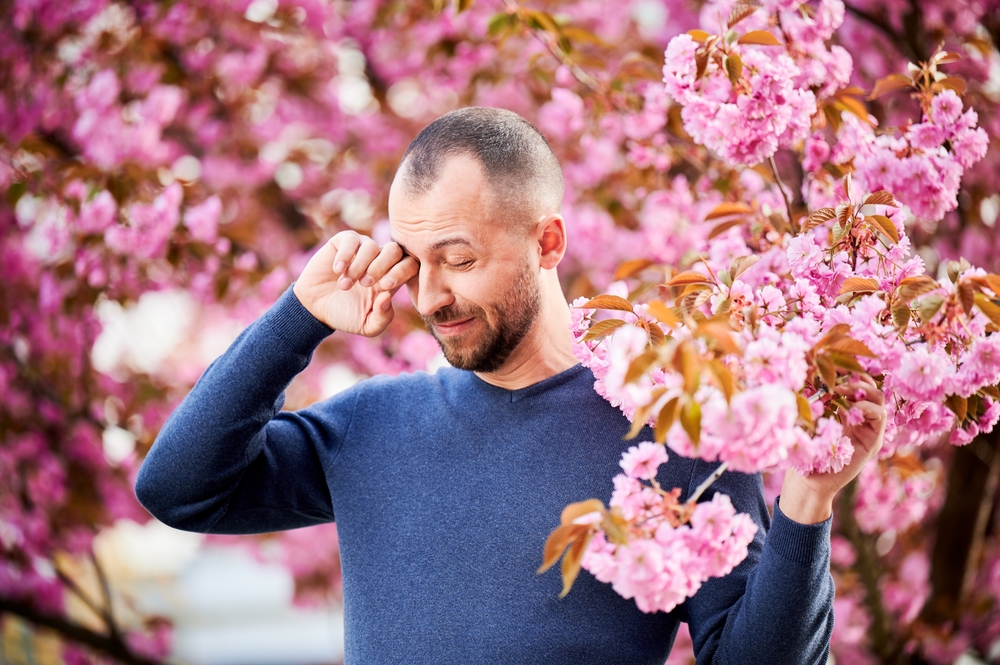
Spring eye allergies can make everyday activities frustrating. Itchy, watery, red eyes often show up when pollen counts rise, and symptoms can be even worse for people who already deal with dry eye or contact lens discomfort. In Alamo, spring allergens can affect both comfort and vision quality, especially during time outdoors.
Knowing which spring eye allergy treatments actually help can make a big difference. The best approach depends on what is causing the irritation, how severe symptoms are, and whether other eye conditions are involved.
Why Spring Eye Allergies Occur
Spring eye allergies usually develop when the eyes react to airborne allergens such as pollen, grass, or mold spores. When these particles come into contact with the eye’s surface, the body releases histamine and other chemicals that trigger inflammation.
This can lead to itching, burning, tearing, puffiness, and redness. Some patients also notice light sensitivity or blurry vision from excess tearing and irritation. Because these symptoms can overlap with dry eye or infection, a proper evaluation is important.
Over-the-Counter Allergy Eye Drops
For many patients, allergy eye drops are one of the most effective first-line treatments. These drops are designed to reduce the allergic response and calm inflammation on the eye’s surface. Some work quickly to relieve itching, while others help prevent symptoms when used consistently during allergy season.
Lubricating artificial tears can also help by rinsing allergens off the eyes and improving comfort. This is especially useful for patients whose symptoms are mild or who want added relief between medicated drops.
Prescription Treatments for Stronger Relief
When over-the-counter options are not enough, prescription eye drops may be recommended. These can provide stronger control of inflammation and may be especially helpful for patients with persistent spring eye allergies.
Prescription treatment may be appropriate when symptoms interfere with reading, driving, computer use, or outdoor activity. In some cases, your optometrist may also look at whether dry eye, eyelid inflammation, or contact lens wear is making symptoms worse.
Daily Habits That Help Reduce Symptoms
In addition to medicated treatment, reducing allergen exposure can make spring eye allergy symptoms easier to manage.
- Keep windows closed during high pollen days
- Use artificial tears to flush allergens from the eyes
- Wash hands and face after spending time outdoors
- Avoid rubbing your eyes, which can worsen irritation
- Change pillowcases often during allergy season
These simple steps can support other spring eye allergy treatments and help prevent flare-ups.
When Contact Lenses Make Allergies Worse
Contact lenses can trap allergens against the surface of the eye, which may increase discomfort during spring. Some people notice more itching, dryness, or blurred vision while wearing lenses during allergy season.
In these cases, changing lens type, adjusting wearing time, or switching to glasses on high pollen days may help. An eye exam can determine whether allergy symptoms are being made worse by lens deposits, dry eye, or an outdated prescription.
Find Relief From Spring Eye Allergies
Not all red, irritated eyes are caused by allergies. Conditions such as dry eye, blepharitis, and eye infections can look similar at first. A comprehensive eye exam helps identify the cause and guide treatment that fits your needs.
Schedule a consultation at Poplar Spectacles Optometry to get personalized relief for spring eye allergies. Visit our office in Alamo, California, or call (925) 202-2846 to book an appointment today.

Contact Info
Office Hours
- Monday 9:00am - 6:00pm
- Tuesday 9:00am - 6:00pm
- Wednesday 9:00am - 6:00pm
- Thursday 9:00am - 6:00pm
- Friday 9:00am - 6:00pm
- Saturday 9:00am - 4:00pm
- Sunday Closed
© 2026 Poplar Spectacles Optometry. All Rights Reserved. Accessibility Statement | Privacy Policy | Sitemap
Powered by:
